

On the west coast of South America, Lima, the capital of Peru, maintains its colonial culture while nurturing a modern metropolitan city. At the center of the capital is a thriving metropolis with towering skyscrapers and paved green streets that put many American cities to shame. Streets are bustling with pedestrians of all walks of life, enjoying the city’s natural reserves and scenic views of the Pacific Ocean. Getting on a bus and driving out of the city brings you to a quickly changing landscape. Luxurious skyscrapers are traded for smaller mom-and-pop businesses and then eventually turn into sprawling street vendors. Paved marked roads disappear as one travels up the mountainous terrain in the city’s outer limits, where thousands of residents still live.
In the fall of 2025, UMSL student Khadija Hassan founded the MEDLIFE chapter on campus, a nonprofit health organization that operates in countries such as Peru, Costa Rica, Ecuador, and Tanzania. With a chapter on campus, students can sign up to be a part of the E-board and receive scholarships for “service learning trips” or volunteer internationally. The students who volunteer on these trips come from all over the world, including the United States, Canada, Europe and parts of Latin America.
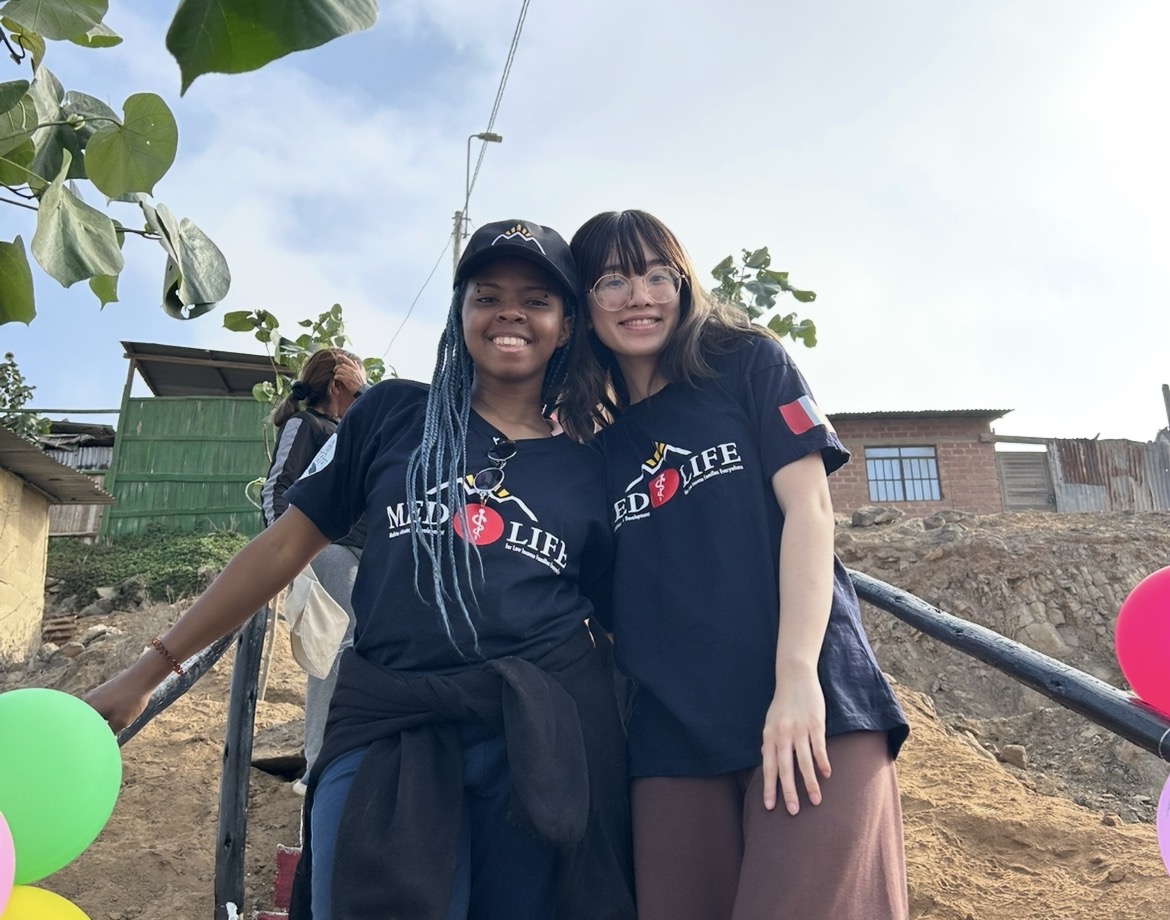
In May of 2026, UMSL students Megan Shipp, Delaney Dunn and I, Julee Chau, received E-board scholarships to go to Lima, Peru, for a week. MEDLIFE was originally founded in Lima by Nick Ellis and a team of dedicated Peruvian local leaders. It is easy to imagine that sending a bunch of college students to a foreign country during summer break couldn’t result in anything more than voluntourism. As in, a way for Western college students to feel like they’re making a difference in impoverished communities while enjoying the luxuries of travel that locals could never afford. While there is no way to prevent this superficial thinking, MEDLIFE trip leaders made every effort to eradicate misconceptions about humanitarian work among students. My trip guide Alfredo reminded us frequently, “This is not a poverty tour.”
MEDLIFE trip leaders emphasized actively listening to local community leaders and professionals rather than lecturing. Students were given a rotation of medical clinicals throughout the week, during which they shadowed and helped local doctors and nurses in mobile clinics. Students assisted with patient intake and learned how social determinants of health affected the local people. For example, long hours of work and traversing the area’s steep mountains meant that a lot of older patients developed arthritis, hypertension, and diabetes. After a checkup, patients are put in a database so local nurses can follow up on their treatment.
Alongside clinicals, each student had one “project day” during which we helped build a staircase alongside community members. The local community was notified weeks in advance to prepare building materials and participate in the project. Although a staircase may seem inconsequential, it can provide numerous health benefits to the community. Staircases not only make traveling steep hills easier for residents, but also help rural communities gain land rights in Lima. Once the community is granted land rights, they gain access to government support systems such as clean water pipes and electricity.

The impact of these staircases would not have been known if MEDLIFE leaders had not actively listened to the community. After each day, students reflected on their work, what they learned and how they can apply it to their own communities back home. For me, I thought about the segregation and wealth inequality still prevalent in St. Louis due to historic and present policies. Residents in east and northeast St. Louis face parallel barriers to healthcare, including limited access to quality health insurance or affordable treatment.
At the end of the trip, one of the MEDLIFE leaders said, “The local people in Lima already have the solutions. Organizers and students are just there to facilitate them.” My participation in this MEDLIFE trip allowed me to help locals in a different country, but also gave me tools to advocate for healthcare reform back home. I think that is the essence of humanitarian work: a way for global citizens to learn from each other and create sustainable solutions to issues that affect all of us.